Mulch vs. Rock: Choosing the Right Option for Portsmouth Flower Beds and Trees
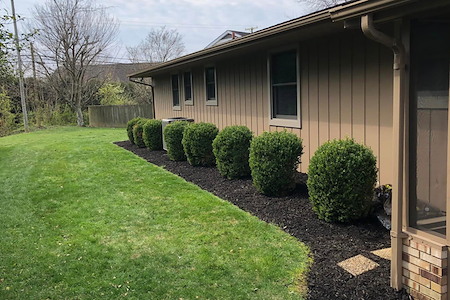
If you’re weighing mulch vs decorative rock pros and cons in Portsmouth, OH, you’re not alone. Between river-valley rains in spring and hot, humid summers, our plants feel every choice you make at ground level, so it’s worth getting right. When you want a cleaner look and healthier soil, local crews can tailor mulching services in Portsmouth to your beds and trees without guesswork.
What Makes Mulch A Smart Choice In Portsmouth
Mulch is organic, so it breaks down and feeds the soil. That matters in neighborhoods from Boneyfiddle to Rosemount, where clay-heavy ground benefits from steady organic matter. A two-to-three-inch layer helps the soil hold moisture between summer storms, keeps roots insulated during late-season cold snaps, and gives your beds a tidy, finished look.
Because mulch buffers temperature swings, shallow-rooted shrubs and perennials ride out heat better. In tight city lots near Downtown or New Boston, mulch is also kinder around trunks, fences, and play areas. It’s lighter to refresh, and it makes seasonal color changes easier.
When Decorative Rock Works Better Around Beds And Trees
Rock can be the low-maintenance winner in the right spots. It doesn’t decompose and won’t drift as easily during downpours off the Ohio River. If you have areas with heavy runoff, a sunny slope, or narrow side yards where you want a clean, modern look, rock stays put and handles splash-back well.
Rock also shines around utilities, mailboxes, and along foundation drip lines where plants are sparse. The tradeoff is heat: stones hold warmth and can stress thirsty plants during July and August. If you love heat-tolerant evergreens or xeric accents, rock can still earn its keep.
Head-To-Head: Mulch Vs. Rock For Southern Ohio Conditions
- Plant Health: Mulch improves soil life as it breaks down; rock offers no nutrients.
- Moisture And Heat: Mulch curbs evaporation and cools roots; rock can raise soil temps in full sun.
- Stability: Rock resists washouts on slopes; mulch may migrate without proper edging or bed shape.
- Refresh Cycle: Mulch needs periodic top-ups; rock is long-lasting but harder to change later.
In practice, many Portsmouth landscapes mix both: mulch inside planting beds where roots matter, and rock where traffic, runoff, or splash-back are the bigger issues. Balance looks with plant comfort, not just convenience.
The Best Mulch For Ohio Yards And Trees
Hardwood and bark mulches fit most local beds and tree rings, and dyed options can match darker rooflines often seen around Sciotoville and Wheelersburg. Pine or cedar blends can add aroma and color contrast. Pros aim for an even blanket that lets rain soak through without smothering crowns or stems.
Never pile mulch against trunks; that “volcano” traps moisture, invites pests, and can rot bark. A slight taper away from the trunk keeps oxygen moving and roots happy. Around perennials, a modest depth helps cool the soil without burying crowns or delaying spring growth.
Where Rock Belongs And Where It Doesn’t
- Best Uses: Perimeter bands along foundations, splash zones under downspouts, dog runs, and narrow strips along driveways and fences.
- Think Twice: Dense planting beds, shade gardens that struggle with heat, and tree rings where you want long-term soil improvement.
If you do choose stone, keep it clear of tree trunks and plan for occasional debris cleanout. Leaves settle between stones in fall, especially near older maples and oaks west of Gallia Street. The cleaner you keep the gaps, the less chance for windblown soil to create weed pockets.
How Much Mulch Do You Need For Beds And Trees
Most Portsmouth beds do well with a two-to-three-inch refresh, while many tree rings land near three inches away from the trunk flare. A professional will measure bed footage and convert depth to cubic yards so delivery and cleanup stay efficient. That approach keeps truckloads accurate and prevents overbuilding beds that could shed during heavy spring showers.
Avoid extra-deep layers “just in case.” Too much material starves roots of oxygen, mats together, and can shed water rather than absorb it. A right-sized plan saves time later and keeps beds looking crisp longer.
Appearance, Edging, And Curb Appeal
Fresh mulch gives instant contrast with lawn stripes on corner lots in Hilltop and Rosemount. Dark brown and black tones make foliage pop; lighter mulches can warm brick facades found throughout the Boneyfiddle Historic District. Rock can deliver a modern, tidy border along walks and parking pads, but it benefits from clean steel or paver edging so stones don’t stray into turf.
Want a deeper lawn-health boost behind the scenes? Pair bed refreshes with seasonal turf work, so everything looks coordinated. For a quick explainer on strengthening the grass that frames your beds, skim our aeration and overseeding guide and see how thicker turf makes your mulch or rock lines read even cleaner from the curb.
Maintenance Reality: What Homeowners Can Expect
Every bed needs upkeep. Mulch fades with the sun and settles as it breaks down, so periodic top-ups keep color and function strong. Rock lasts longer, but it still collects leaves and grit that need to be blown out or lifted away. Either way, a tidy edge and a consistent refresh schedule are what make yards in New Boston and West Portsmouth stand out week after week.
It’s also smart to match the ground cover to how you actually use the space. If kids and pets cut corners in the side yard, the rock may hold up better. If you love adding new perennials each season, mulch makes planting easier and kinder to new roots.
Mulch And Rock Around Trees
Trees are long-term investments, so the ground cover at their base matters. Mulch moderates moisture and temperature and improves soil structure for decades. Rock can work around select evergreens and in tough runoff zones, but it raises soil heat and adds no nutrients. Whichever you choose, keep a clear space at the trunk flare so bark can breathe and resist decay.
Skip rubber mulch around living plants. It raises temperatures, adds no organic matter, and complicates future planting changes. Natural materials or well-sized stone are safer choices for long-term tree health in our region.
Bringing It Together: What We Recommend In Portsmouth, OH
For plant-heavy beds, mulch earns the nod because it feeds the soil, cools roots, and refreshes fast after winter. For utility strips, slope breaks, and high-splash areas, rock can be a smart, durable accent. Many Portsmouth properties end up with a strategic blend, using mulch where life grows and rock where durability matters. If you’re updating an older landscape in Sciotoville or adding beds on a newer lot in Rosemount, a quick site walk helps decide the split. Our team can map sun, water, and traffic patterns, then specify materials, edging, and refresh timing so the results look great and stay that way.
If you want a single partner for mowing, planting beds, and seasonal refreshes, our lawn services in Portsmouth keep every part working together, from the front walk to the back fence. When it’s time to install or refresh beds, we’ll handle prep, clean edges, and the final rake so your curb appeal jumps at once. Book your spot with Parker Lawn Care today or call 740-464-2728 for fast, friendly service. For a hands-off refresh that lasts, choose our mulch installation in Portsmouth, OH and enjoy the view.
Want To Give Your Lawn Some TLC? View Our Full List of Services

Make Your Yard Beautiful With Parker Lawn Care Services in Portsmouth & Surrounding Areas!